Abeokuta South Area Guide
Abeokuta South Area Guide
BASIC INFORMATION
About Abeokuta South
Abeokuta South is a Local Government Area in Ogun State, Nigeria, and forms a central part of Abeokuta, the state capital.
Abeokuta South is a well-established urban area with a mix of residential neighbourhoods, commercial activities, and government institutions. It plays a significant role in the daily administrative and economic life of Abeokuta.
The area is commonly known for its concentration of state offices, traditional markets, long-standing residential quarters, and proximity to historic civic landmarks such as Ake Palace, the Cathedral Church of St. Peter, Ake, and routes leading toward Olumo Rock.
Town History & Notable Figures
Abeokuta South developed as part of the historic expansion of Abeokuta following its establishment as a major Egba settlement in the 19th century. As Abeokuta grew into a political and administrative centre, the area became important for governance, trade, and residential settlement. It was later recognised as a Local Government Area and has remained central to civic life in the state capital. Notable public figures associated with Abeokuta South include Dimeji Bankole, and many more.
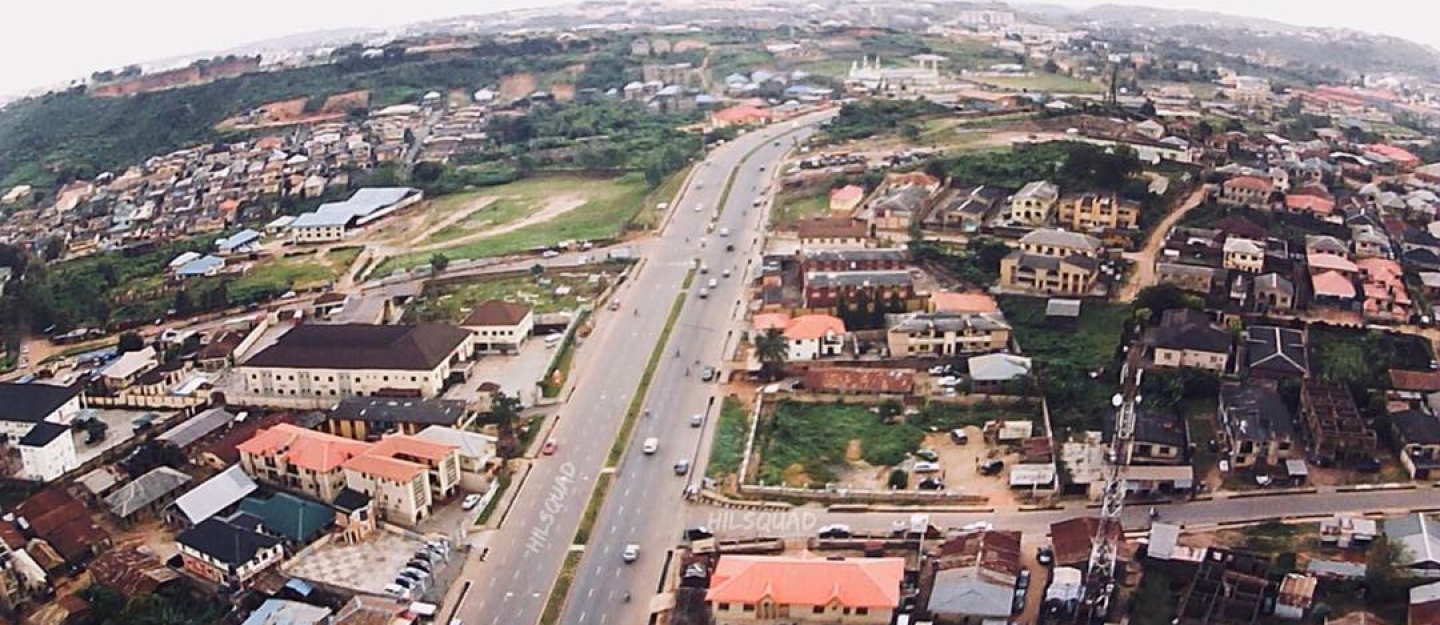
Location & Accessibility
Abeokuta South is centrally located within Abeokuta and shares boundaries with Abeokuta North and other adjoining communities. The area connects to neighbourhoods such as Ake, Ibara, Sapon, and Kuto through a network of major roads and inner streets. Public transportation, including buses and taxis, is commonly used, supporting commuting for residents working across different parts of the city.
AREA MAP
Property Market Overview
Lifestyle & Amenities
Schools (public and private)
The area has access to a mix of public and private primary and secondary schools serving different neighbourhoods.
Hospitals, clinics, and pharmacies
Healthcare services include government hospitals within the wider Abeokuta network, as well as private clinics and pharmacies located across residential and commercial areas.
Markets, shopping areas, and everyday conveniences
Residents rely on established markets, neighbourhood shops, and small shopping clusters for daily needs and household supplies.
Religious centres and social life
Religious life is active, with numerous churches and mosques spread across the area. Social interactions often revolve around religious gatherings, family networks, and community events.

Safety & Living Conditions
General security environment
Abeokuta South generally reflects the security conditions of a state-capital urban area, with safety levels often influenced by neighbourhood organisation and daily activity patterns.
Typical living conditions (power, water, roads, drainage)
Living conditions vary by street and neighbourhood. Some areas have better road networks and drainage than others, and residents commonly make private arrangements for water supply and power backup.
Suitability for families, professionals, businesses, or retirees
The area is suitable for families, professionals, traders, small business owners, and retirees who prefer an established urban environment with access to essential services.