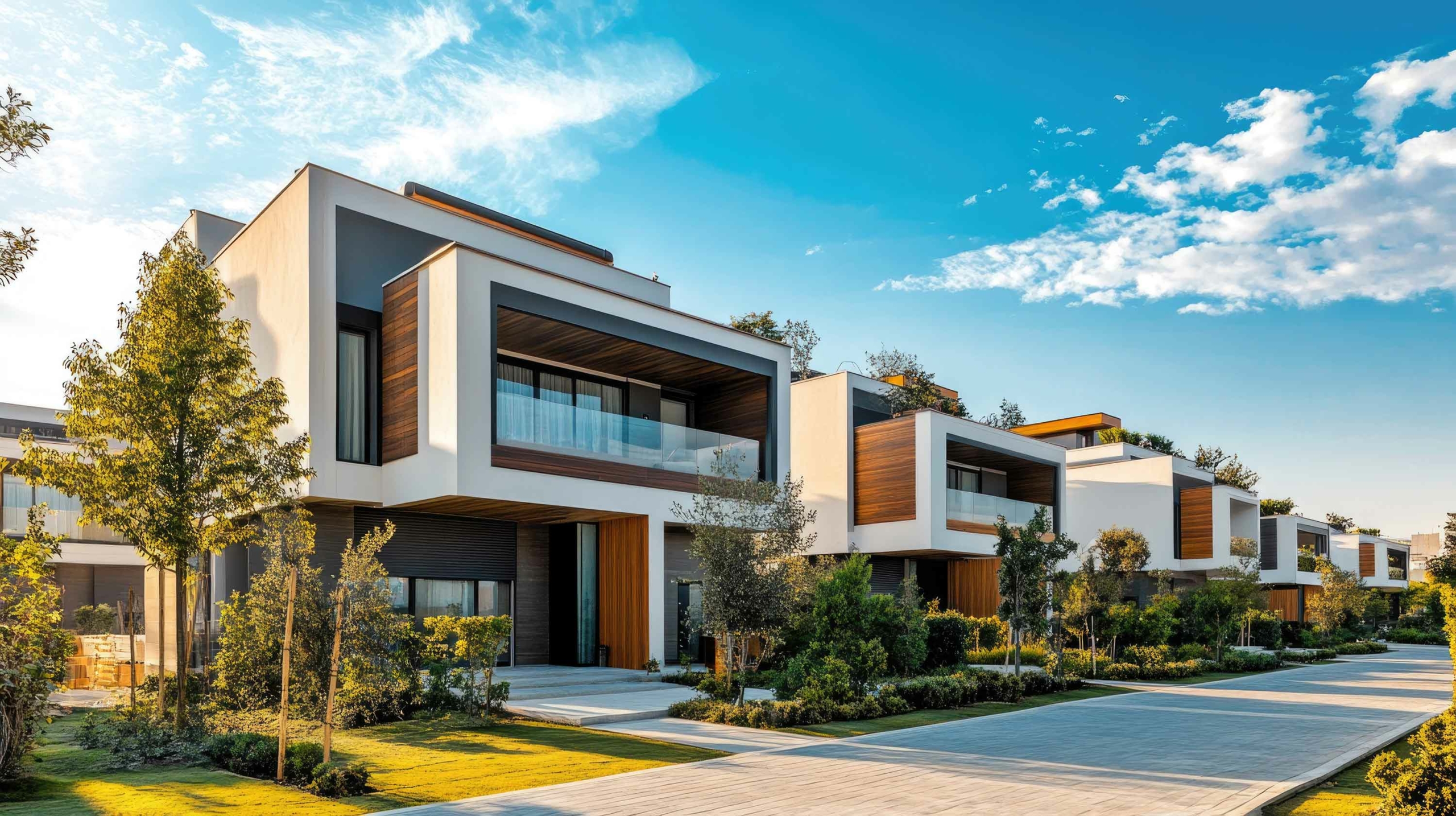
Sustainability and smart home technologies are increasingly influencing property development in Nigeria. Investors and developers are now integrating energy-efficient solutions, automation, and eco-friendly designs to meet evolving market expectations.
Sustainability in Development
Rising electricity costs, environmental concerns, and government incentives are driving the adoption of green building practices. Solar panels, rainwater harvesting systems, energy-efficient lighting, and sustainable construction materials are becoming standard features in premium residential and commercial projects.
Smart Homes and Automation
Technology-driven homes equipped with IoT devices, automated security, smart lighting, and climate control are appealing to modern buyers. Developers are leveraging these innovations to differentiate projects, enhance security, and improve convenience for residents.
Market Impact
Properties with sustainable and smart features command higher prices and attract long-term tenants. This trend is especially pronounced in high-growth urban centers such as Lagos, Abuja, and Port Harcourt, where lifestyle-conscious buyers and tech-savvy investors are shaping demand.
Investment Insight
Investors should prioritize projects incorporating green certifications and smart technology, as these properties are likely to see accelerated appreciation and reduced operational costs. Moreover, sustainability and automation are increasingly tied to corporate ESG strategies, further driving market adoption.
Conclusion
Sustainability and smart technologies are no longer optional—they are shaping the future of Nigerian real estate. Forward-thinking investors and developers who embrace these trends stand to gain a competitive edge in a rapidly evolving market.