Introduction
Buying property is one of the largest financial decisions most Nigerians will ever make. Whether you’re purchasing a residential plot in Ibeju-Lekki, an apartment in Abuja, commercial property in Port Harcourt, or farmland near Ibadan, the excitement of securing a valuable asset can sometimes overshadow one critical step: verification.
Every year, buyers lose money to fraudulent sellers, forged documents, multiple sales of the same land, and properties affected by government acquisition or unresolved legal disputes. While high-profile cases occasionally make headlines, many incidents go unreported, leaving victims to navigate lengthy legal battles or accept financial losses.
The encouraging news is that many of these risks are avoidable. A structured verification process helps buyers identify potential problems before committing funds, reducing the likelihood of costly mistakes.
This guide explains how property verification works in Nigeria, why it matters, the documents involved, the government offices that play a role, and the practical steps buyers can take to make informed decisions.
Whether you’re a first-time homebuyer, a seasoned investor, a developer, a business owner, or a Nigerian living abroad, understanding property verification is essential to protecting your investment.
Town.ng Expert Tip
The best time to discover a problem with a property is before you pay for it. Verification should begin as soon as a property interests you—not after you’ve negotiated a price.
What Is Property Verification?
Property verification is the process of confirming that a property is legally legitimate and suitable for purchase.
In practical terms, verification seeks to answer several important questions:
- Does the property actually exist as described?
- Is the seller legally entitled to sell it?
- Are the title documents genuine?
- Are there competing ownership claims?
- Has the government acquired or reserved the land?
- Are there court cases involving the property?
- Do the property’s boundaries match the available documents?
- Will ownership be capable of lawful transfer?
Property verification is broader than simply checking paperwork. It combines legal, technical, and physical investigations to build confidence in a transaction.
For example, a Certificate of Occupancy may appear authentic at first glance. However, unless it is confirmed through the appropriate state authority and matched to the property’s details, relying solely on the document may expose a buyer to unnecessary risk.
Similarly, a physical inspection might reveal that the property is occupied by individuals claiming long-standing rights, even though the paperwork appears satisfactory.
Effective verification therefore requires looking beyond any single document.
Property Verification vs Property Inspection
These terms are often used interchangeably, but they serve different purposes.
| Property Verification | Property Inspection |
|---|---|
| Confirms legal ownership | Assesses physical condition |
| Reviews title documents | Examines buildings and structures |
| Searches government records | Identifies maintenance issues |
| Detects legal disputes | Detects structural defects |
| Confirms boundaries | Evaluates habitability |
Both are important, but they answer different questions.
Verification asks:
“Can I legally buy this property?”
Inspection asks:
“Is this property physically worth buying?”
A prudent buyer typically undertakes both before completing a transaction.
Why Property Verification Matters in Nigeria
Property transactions in Nigeria can involve multiple parties, historical ownership records, customary interests, statutory rights, and state-specific land administration systems.
These complexities make verification especially important.
Some common situations include:
- family-owned land requiring consent from multiple beneficiaries;
- land previously sold to more than one buyer;
- forged title documents;
- incomplete documentation;
- properties affected by road expansion or urban renewal;
- unresolved inheritance disputes;
- mortgage interests that have not been discharged;
- survey plans that do not correspond with the land being sold.
Verification helps uncover these issues early.
For investors, it also improves confidence that the property can be developed, financed, leased, or resold in the future.
For lenders, verified title supports mortgage decisions.
For developers, verification reduces project risk.
For families purchasing a long-term home, it provides peace of mind.
The Financial Cost of Poor Verification
The financial consequences of inadequate due diligence often extend far beyond the purchase price.
Potential costs include:
- litigation expenses;
- legal representation;
- repeated survey work;
- delayed construction;
- inability to register ownership;
- demolition where development violates government regulations;
- compensation claims;
- opportunity costs from capital tied up in disputed assets.
In some cases, recovering funds from fraudulent sellers proves extremely difficult, particularly where proceeds have already been dissipated.
Preventing these outcomes is generally far less expensive than resolving them later.
Understanding Property Fraud in Nigeria
Property fraud refers to deceptive practices intended to induce buyers, investors, or tenants into transferring money or rights based on false representations.
Fraud may involve individuals, informal groups, or organized criminal networks.
Importantly, not every problematic transaction results from intentional fraud. Some disputes arise from poor record keeping, family disagreements, overlapping claims, or misunderstandings.
Nevertheless, the practical effect for a buyer can be similar: delayed projects, legal uncertainty, and financial loss.
Recognizing common fraud patterns can help buyers identify warning signs before proceeding.
Common Real Estate Scams Every Buyer Should Know
1. Multiple Sales of the Same Property
This remains one of the most frequently discussed risks in Nigeria’s property market.
A dishonest seller may enter into agreements with multiple buyers, collecting deposits or full payment from each before disappearing or allowing the dispute to unfold.
This problem is particularly associated with rapidly developing areas experiencing rising land values.
Warning signs
- pressure to pay immediately;
- unusually low prices;
- reluctance to provide complete documentation;
- inconsistent explanations about ownership.
2. Forged Property Documents
Modern printing technology has made forged documentation increasingly convincing.
Documents commonly targeted include:
- Certificates of Occupancy;
- Survey Plans;
- Deeds of Assignment;
- receipts;
- allocation letters;
- tax receipts.
Visual inspection alone is rarely sufficient.
Verification through the issuing authority is generally advisable where possible.
Town.ng Warning
Never assume a document is genuine because it bears an official-looking stamp or seal. Authenticity should be confirmed through the relevant government process.
3. Selling Land Under Government Acquisition
Some land falls within areas reserved for public purposes, infrastructure projects, conservation, or other government uses.
Unsuspecting buyers may only discover this after attempting to develop the property.
Depending on the circumstances, obtaining building approvals or perfecting title may become difficult or impossible.
Checking acquisition status is therefore an important component of due diligence.
4. Family Ownership Disputes
Land owned by extended families may require agreement from individuals legally entitled to participate in the transaction.
Where proper consent is absent, disputes may emerge after purchase.
These disputes can continue for years, delaying development and increasing legal costs.
Understanding the ownership structure before purchase is therefore essential.
5. Impersonation of Property Owners
Fraudsters sometimes present themselves as owners or authorized representatives.
They may use:
- forged identification;
- counterfeit powers of attorney;
- fake agency agreements;
- fabricated letters of authorization.
Verifying identity is just as important as verifying documents.
6. Fake Estate Layouts
Marketing materials may depict roads, drainage systems, schools, recreational facilities, and infrastructure that do not exist.
While future development plans are common in legitimate projects, buyers should distinguish between approved development plans and purely promotional illustrations.
A site inspection helps bridge this gap.
Red Flags That Should Never Be Ignored
Although every transaction is unique, experienced practitioners often treat the following situations as signals for further investigation:
| Red Flag | Why It Matters |
|---|---|
| Seller refuses verification | May indicate hidden issues |
| Price is far below market value | Could suggest fraud or undisclosed problems |
| Incomplete documentation | Ownership may be unclear |
| Urgent payment requests | Pressure reduces due diligence |
| Different names on documents | Ownership chain requires investigation |
| Boundary disputes with neighbours | Survey verification becomes critical |
| Cash-only transaction demands | May complicate documentation and accountability |
None of these factors automatically proves fraud. However, each justifies additional enquiries before proceeding.
Property Verification Is Risk Management
Some buyers view verification as an administrative hurdle that delays transactions. In reality, it is a form of risk management.
A thorough verification process aims to reduce uncertainty by answering critical questions before funds are committed. While no investigation can eliminate every possible future dispute, careful due diligence substantially improves a buyer’s ability to make informed decisions.
This mindset is particularly important in fast-moving property markets where demand, competition, and pressure to close deals quickly may encourage shortcuts.
Experienced investors often attribute successful acquisitions not to finding the cheapest property, but to consistently avoiding problematic ones.
Town.ng Recommendation
Treat every property purchase—whether ₦2 million or ₦2 billion—with the same discipline. A standardized verification process helps ensure decisions are based on evidence rather than assumptions.
The Property Verification Framework: A Step-by-Step Guide
Buying property should never rely on trust alone. Even when you’re dealing with a reputable developer, a licensed real estate agent, or someone referred by family or friends, verification remains essential.
A practical way to think about property verification is as a series of checkpoints. Each checkpoint answers a different question about the property, the seller, or the documents. By the end of the process, you should have enough evidence to decide whether to proceed, negotiate further, or walk away.
The framework below reflects common due diligence practices used by property lawyers, surveyors, and experienced investors across Nigeria.
Step 1: Verify the Seller
Before examining any document, verify the person or organisation selling the property.
A genuine property can still become the subject of a problematic transaction if the person attempting to sell it lacks the legal authority to do so.
Individual Sellers
If you’re buying from an individual, confirm:
- Their full legal name
- A valid means of identification (such as a National ID Card, Driver’s Licence, International Passport, or Voter’s Card)
- Proof that the name matches the ownership documents
- Their authority to transfer ownership
If the seller claims to be acting on behalf of someone else, request the legal document authorising them to do so and have it reviewed by your solicitor.
Family-Owned Land
Family land transactions deserve extra attention.
Depending on the circumstances, a sale may require the consent of recognised family representatives or beneficiaries. Purchasing from only one member of a family without the necessary authority can lead to ownership disputes later.
Ask questions such as:
- Who inherited the land?
- Has every required family representative agreed to the sale?
- Has the family previously sold portions of the land?
Corporate Sellers
If you’re purchasing from a company or developer, verify:
- The company’s registration with the Corporate Affairs Commission (CAC)
- That the person signing documents has authority to represent the company
- Previous completed projects
- Business reputation
- Physical office location
- Customer reviews
A professionally designed website alone should never be treated as proof of legitimacy.
Town.ng Expert Tip
Before paying any deposit, confirm you’re negotiating with the legal owner—or someone who has documented authority to act on the owner’s behalf.
Step 2: Conduct a Physical Site Inspection
Many property scams could be avoided by simply visiting the property before making payment.
A physical inspection allows you to confirm that the property matches its description and that no obvious issues exist.
During your inspection, consider the following:
Confirm the Location
Use mapping applications together with the survey plan to ensure the land being shown is the same land described in the documents.
Pay attention to nearby landmarks, roads, neighbouring developments, and access routes.
Confirm the Boundaries
Ask the surveyor or seller to identify the property’s boundary points.
Compare these with the survey plan.
If boundary markers cannot be identified, further investigation may be necessary.
Observe Current Occupation
Determine whether the property is:
- Vacant
- Occupied
- Under construction
- Leased
- Used for farming
- Subject to any visible dispute
Visible occupation does not automatically prevent a sale, but it raises important questions that should be answered before proceeding.
Speak to Neighbours
Neighbours often know the history of a property.
Without relying solely on informal information, you may learn about:
- Previous ownership disputes
- Flooding issues
- Community disagreements
- Government road expansion plans
- Existing occupants
- Earlier sales attempts
Neighbourhood conversations should complement—not replace—official verification.
Step 3: Verify the Survey Plan
The survey plan is one of the most important documents in Nigerian property transactions.
It provides technical information about the land, including its size, location, coordinates, and boundaries.
However, possessing a survey plan does not automatically confirm ownership.
Instead, it helps establish precisely which parcel of land is being discussed.
What Information Does a Survey Plan Contain?
Although formats may differ slightly, survey plans generally include:
- Survey number
- Beacon numbers
- Coordinates
- Property dimensions
- Total land area
- Date of survey
- Surveyor’s details
- Signature and seal
- North arrow
- Scale
These details help identify the land accurately.
Why Survey Verification Matters
Verifying the survey plan helps answer several important questions:
- Does the land actually exist?
- Are the coordinates accurate?
- Has the survey been altered?
- Does the land fall within a government acquisition area?
- Does it overlap another registered parcel?
This step can prevent buyers from purchasing land that cannot legally be developed.
How Survey Plans Are Typically Verified
The exact procedure varies by state, but verification commonly involves checking the survey details with the relevant state surveying authority.
Depending on the jurisdiction, this process may help determine:
- Whether the survey corresponds with government records
- Whether the coordinates are correctly plotted
- Whether the land falls within committed acquisition, excised land, or freehold areas (where applicable)
- Whether the survey references appear consistent with official records
Because land administration differs between states, buyers should rely on qualified professionals familiar with local procedures.
Town.ng Warning
Never rely on a scanned copy of a survey plan sent through WhatsApp or email as proof of authenticity. Verification should be based on official records and, where necessary, professional interpretation.
Step 4: Verify the Certificate of Occupancy (C of O)
The Certificate of Occupancy (commonly called the C of O) is one of the most recognised land title documents in Nigeria.
Issued under the framework of the Land Use Act, it evidences a statutory right of occupancy over land, subject to applicable laws and conditions.
However, the existence of a Certificate of Occupancy does not automatically mean every transaction involving the property is valid.
It is still important to confirm that the certificate is authentic, relates to the correct property, and reflects the current ownership position.
What Should Be Checked?
A proper verification should seek to confirm:
- Certificate number
- Property description
- Plot number
- Survey details
- Registered owner’s name
- Date of issuance
- Issuing authority
- Consistency with other title documents
Any inconsistencies should be investigated before proceeding.
Can a Fake Certificate of Occupancy Be Produced?
Unfortunately, fraudulent documents do exist.
Advances in printing technology mean that forged documents can sometimes appear convincing.
Visual inspection alone is therefore insufficient.
Verification through the appropriate state land administration authority is generally recommended.
Does Every Property Have a Certificate of Occupancy?
No.
Depending on the property’s history and location, title documentation may instead include:
- Governor’s Consent
- Deed of Assignment
- Registered Conveyance
- Registered Deed
- Allocation Letter
- Customary Right of Occupancy
- Other legally recognised title documents
The appropriate verification process depends on the property’s chain of ownership.
Step 5: Verify the Deed of Assignment
The Deed of Assignment records the transfer of ownership or interest in property from one party to another.
In many property transactions, it forms an important part of the ownership history.
However, the deed should never be viewed in isolation.
Instead, it should be examined alongside the property’s broader chain of title.
What Should Be Reviewed?
Among other things, your solicitor may review:
- The names of the assignor and assignee
- Property description
- Survey references
- Execution clauses
- Witness signatures
- Registration details (where applicable)
- Consistency with previous ownership documents
Any break in the ownership chain deserves careful attention.
Why the Chain of Title Matters
Imagine a property has changed hands five times.
Each transfer should generally be supported by appropriate documentation.
If one transfer cannot be established, uncertainty may arise regarding subsequent ownership.
This is why experienced property lawyers often examine the property’s history rather than relying on only the latest document.
Step 6: Conduct a Land Registry Search
One of the most important stages of property verification is conducting a search at the relevant State Land Registry.
The purpose of the search is to determine whether government records support the information presented by the seller.
Depending on the records available, a search may help identify:
- The registered owner
- Existing title documents
- Mortgages or legal charges
- Registered interests
- Restrictions affecting the property
- Whether previous transactions have been recorded
Land registration systems vary across Nigeria, so the scope of available information differs by state.
Why a Land Registry Search Is Important
A registry search may reveal issues that are not immediately obvious from the documents supplied by the seller.
For example:
- A property may already have been transferred.
- A mortgage may still be registered.
- There may be restrictions on dealing with the property.
- The title presented may not correspond with registry records.
These findings can significantly influence a buyer’s decision.
Town.ng Expert Tip
Think of the Land Registry as an independent source of information. Rather than relying solely on what a seller provides, compare the seller’s documents with official records wherever possible.
Government Agencies Commonly Involved in Property Verification
Property verification in Nigeria often requires interaction with multiple government institutions. The exact agencies vary by state, but buyers should expect different authorities to handle surveying, land registration, planning approvals, taxation, and company records.
Some of the organisations commonly involved include:
| Agency | Typical Role |
|---|---|
| State Land Registry | Registration and title records |
| State Ministry responsible for Lands | Land administration and title processing |
| Office of the Surveyor-General (State) | Survey verification and mapping |
| Corporate Affairs Commission (CAC) | Verification of companies selling property |
| Physical Planning Authorities | Planning approvals and zoning matters |
| Local Government Authorities | Certain local land-related records and rates, where applicable |
Always confirm the relevant authority for the state in which the property is located, as administrative structures differ across Nigeria.
Understanding Property Due Diligence
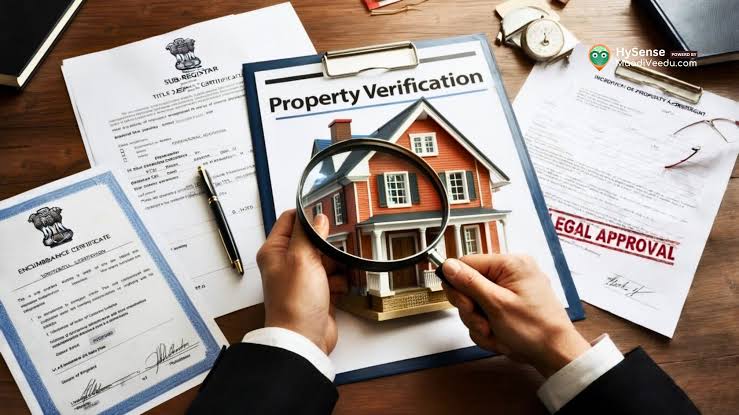
Property verification is one part of a broader process known as property due diligence.
Due diligence combines legal, technical, financial, and practical investigations before a purchase is completed.
Rather than focusing only on documents, it asks a wider question:
“Is this property suitable for my intended use, and are there any hidden risks that could affect ownership, development, financing, or resale?”
A comprehensive due diligence exercise may include:
- Title verification
- Physical inspection
- Boundary confirmation
- Environmental considerations
- Access rights
- Planning and zoning restrictions
- Existing occupiers
- Utility access
- Infrastructure plans
- Litigation searches
- Tax liabilities (where applicable)
For high-value transactions, engaging qualified professionals such as a property lawyer and a licensed surveyor is generally a prudent investment.
Property Due Diligence Checklist: Before You Pay a Kobo
At this stage, you’ve verified the seller, inspected the property, reviewed the survey plan, examined the title documents, and conducted the necessary registry searches. The next step is to bring all your findings together before making any financial commitment.
Many buyers become emotionally invested in a property and rush to pay a deposit because they’re afraid someone else will buy it first. Unfortunately, urgency is one of the biggest allies of property fraud.
A practical due diligence checklist helps you slow down, assess the evidence objectively, and identify any unresolved issues.
The Ultimate Property Verification Checklist
Use this checklist before paying a deposit or signing any sale agreement.
| Verification Task | Status |
|---|---|
| Seller’s identity verified | ☐ |
| Seller has legal authority to sell | ☐ |
| Physical inspection completed | ☐ |
| Property boundaries confirmed | ☐ |
| Survey Plan reviewed and verified | ☐ |
| Title documents examined | ☐ |
| Land Registry search completed | ☐ |
| Government acquisition status checked (where applicable) | ☐ |
| Existing occupants identified | ☐ |
| Neighbourhood enquiries conducted | ☐ |
| Property lawyer has reviewed documents | ☐ |
| Licensed surveyor consulted where necessary | ☐ |
| Draft Deed of Assignment reviewed | ☐ |
| Purchase terms clearly documented | ☐ |
| Payment process agreed and traceable | ☐ |
Town.ng Recommendation
Don’t treat verification as a box-ticking exercise. If one step raises concerns, resolve them before moving to the next.
Property Verification for Different Types of Buyers
Not every buyer faces the same risks. A first-time homebuyer in Ibadan has different priorities from a developer acquiring 100 plots outside Abuja or a Nigerian in Canada investing remotely.
Your due diligence should reflect your circumstances.
First-Time Home Buyers
If this is your first property purchase, focus on reducing uncertainty rather than chasing the cheapest deal.
Prioritise:
- Clear ownership records
- Accessible location
- Verified title documents
- Professional legal advice
- Physical inspection before payment
Avoid relying solely on recommendations from friends or social media advertisements.
Land Buyers
When buying undeveloped land, document verification becomes even more important because there may be no building to provide additional evidence of occupation or ownership.
Key areas of focus include:
- Survey verification
- Government acquisition status
- Access roads
- Boundary confirmation
- Community disputes
- Future development plans
Nigerians in the Diaspora
Buying property remotely introduces additional risks.
If you live outside Nigeria, avoid making decisions based only on photographs, video calls, or marketing materials.
Instead:
- Engage an independent lawyer.
- Use a licensed surveyor where appropriate.
- Request verified documentation.
- Arrange an independent site inspection.
- Use secure and traceable payment methods.
- Confirm the identity of everyone involved in the transaction.
If a seller discourages independent verification because “everything has already been checked,” treat that as a warning sign.
Town.ng Expert Tip
Diaspora buyers are often targeted because fraudsters assume they cannot easily inspect properties or attend government offices. Independent verification is one of your strongest safeguards.
Property Developers
Developers typically face additional considerations beyond title verification.
For example:
- Can the land support the intended project?
- Are there planning restrictions?
- Is there adequate road access?
- What infrastructure already exists?
- Are there environmental limitations?
- Can utilities be connected?
Large-scale developments often require multidisciplinary due diligence involving lawyers, surveyors, engineers, planners, and environmental consultants.
Businesses Purchasing Commercial Property
Commercial buyers should also evaluate:
- Zoning compatibility
- Parking availability
- Traffic accessibility
- Existing leases
- Utility capacity
- Expansion potential
- Compliance with planning requirements
A warehouse, retail space, or office building may have legal title but still be unsuitable for the intended business purpose.
Common Mistakes Buyers Make During Property Verification
Property fraud doesn’t always succeed because documents are sophisticated. Often, it succeeds because buyers skip important steps.
Below are some of the most common mistakes.
Paying Before Verification
Some buyers believe paying a deposit “secures” the property while verification happens later.
This approach can create unnecessary complications if problems are discovered after payment.
Verification should generally come first.
Assuming Every Document Is Genuine
A professionally printed document is not necessarily authentic.
Official-looking stamps, seals, signatures, and letterheads should never replace proper verification.
Ignoring Physical Inspection
Photographs can be outdated.
Videos can be edited.
Drone footage may show nearby developments rather than the actual property.
Nothing replaces visiting the site or engaging someone you trust to inspect it on your behalf.
Relying Solely on Verbal Assurances
Statements such as:
“The C of O is in process.”
“Everyone buys land here.”
“There’s no need for a lawyer.”
“You’ll receive the documents after payment.”
should always be supported by verifiable evidence.
Choosing Price Over Security
If one property is dramatically cheaper than similar properties nearby, ask why.
There may be a legitimate explanation, but unusually low prices deserve additional investigation.
Remember:
A cheap property with unresolved legal problems can become one of the most expensive purchases you’ll ever make.
Myths vs Facts About Property Verification in Nigeria
Misconceptions continue to contribute to poor buying decisions. Understanding what is true—and what isn’t—can help you avoid costly assumptions.
| Myth | Fact |
|---|---|
| A Certificate of Occupancy guarantees every sale is valid. | A C of O is an important title document, but buyers should still verify ownership, the chain of title, and the current transaction. |
| If an estate is popular, verification isn’t necessary. | Every property transaction should be assessed on its own merits. |
| Only expensive properties require due diligence. | Verification is important regardless of the purchase price. |
| A registered company can never be involved in a problematic transaction. | Company status does not replace proper document and property verification. |
| Lawyers alone handle all verification. | Effective due diligence often involves lawyers, surveyors, and other professionals depending on the transaction. |
| Once you have paid, verification becomes easier. | It’s generally easier and less costly to identify issues before making payment. |
Warning Signs That Deserve Immediate Attention
Some issues don’t necessarily mean a transaction is fraudulent, but they should never be ignored.
These include:
- The seller refuses independent verification.
- The property’s documents contain inconsistent names.
- Survey details don’t match the property shown.
- Different people claim ownership during inspection.
- The seller insists on cash payments only.
- The purchase price is significantly below comparable properties without a credible explanation.
- The seller discourages involving a lawyer.
- There is pressure to complete the transaction “today.”
One warning sign may simply require clarification. Several warning signs together should prompt extreme caution.
Town.ng Warning
Fraudsters often create urgency to discourage buyers from carrying out proper verification. If you’re being pressured to skip due diligence, consider why.
A Practical Decision Framework Before You Buy
When all verification steps are complete, you should be able to place the property into one of three categories.
Proceed
Consider moving forward if:
- Ownership appears consistent.
- Documents have been verified.
- Registry searches reveal no significant concerns.
- The property matches its documentation.
- Your legal adviser is satisfied with the findings.
Proceed with Conditions
You may decide to continue if certain issues can be resolved first.
Examples include:
- Minor documentation inconsistencies.
- Outstanding administrative corrections.
- Missing supporting documents that can reasonably be obtained.
- Clarification of boundary markers.
In these situations, completion should generally wait until the agreed conditions have been met.
Walk Away
Sometimes, the safest decision is not to buy.
Examples include:
- Conflicting ownership claims.
- Evidence of forged documents.
- Significant title defects.
- Unresolved litigation affecting ownership.
- Seller unwilling to cooperate with verification.
- Material discrepancies that cannot be satisfactorily explained.
Walking away from a problematic property may feel disappointing, but it is often less costly than resolving years of legal disputes.
Case Scenarios: Applying Property Verification in Practice
Scenario 1: Buying Land in Ibeju-Lekki
A buyer is offered two adjacent plots at a price below the prevailing market rate. The seller provides a survey plan and claims the Certificate of Occupancy is “being processed.”
Before paying, the buyer:
- engages a property lawyer;
- verifies the survey details with the relevant authority;
- confirms the acquisition status;
- conducts a site inspection;
- reviews the seller’s ownership documents.
During the process, inconsistencies emerge regarding the seller’s authority to dispose of the land. The buyer decides not to proceed.
The outcome illustrates an important point: verification does not always lead to a purchase—it also helps buyers avoid unsuitable transactions.
Scenario 2: Purchasing an Apartment in Abuja
A family intends to purchase a completed apartment from a developer.
Their due diligence includes:
- confirming the developer’s corporate registration;
- reviewing the title documents;
- inspecting the completed building;
- checking service charge arrangements;
- reviewing the draft sale agreement.
The verification process provides greater clarity about the transaction and allows the family to proceed with increased confidence.
Scenario 3: Diaspora Investment in Enugu
A Nigerian living in the United Kingdom wants to invest in residential land but cannot travel immediately.
Instead of relying solely on online photographs, the buyer appoints independent professionals to inspect the site, review the documents, and report on the property’s status before funds are transferred.
Although this approach involves additional costs, it reduces the risks associated with remote purchasing.
Town.ng Expert Tip
Verification isn’t about assuming every seller is dishonest. It’s about making important financial decisions based on evidence rather than assumptions.
Frequently Asked Questions (FAQs)
1. What is property verification in Nigeria?
Property verification is the process of confirming that a property exists, the seller has the legal right to sell it, the title documents are authentic, and there are no known legal or administrative issues that could affect ownership or development. It typically includes verifying the seller, inspecting the property, reviewing title documents, conducting registry searches, and seeking professional legal advice.
2. Why is property verification important?
Property verification helps reduce the risk of buying land or property with ownership disputes, forged documents, government acquisition issues, or other legal complications. It is one of the most important steps in protecting your investment.
3. Can I verify a property before paying a deposit?
Yes, and it’s generally advisable to do so. While some sellers may request a refundable commitment before releasing certain information, buyers should avoid making substantial payments until they have completed satisfactory due diligence.
4. What documents should I verify before buying property?
The documents vary depending on the property, but commonly include:
- Survey Plan
- Certificate of Occupancy (C of O)
- Governor’s Consent
- Deed of Assignment
- Registered Conveyance
- Deed of Gift
- Allocation Letter
- Building Approval (for developed properties)
- Approved Building Plan (where applicable)
The appropriate documents depend on the property’s history.
5. Does every property in Nigeria have a Certificate of Occupancy?
No.
Many legitimate properties derive title through other legally recognized documents. The absence of a C of O does not automatically mean a property is fraudulent, but it does mean buyers should understand the property’s chain of title and verify the relevant documents.
6. How can I verify a Certificate of Occupancy?
The process differs by state. Verification generally involves confirming that the certificate corresponds with official government records and matches the property being purchased. A property lawyer can guide you through the applicable process.
7. Can a Survey Plan be fake?
Yes.
Like many legal documents, survey plans can be altered or forged. That’s why buyers should verify survey information with the appropriate state surveying authority where possible.
8. What is the difference between property verification and due diligence?
Property verification focuses primarily on ownership, title, and legal documentation.
Property due diligence is broader and may include:
- verification,
- physical inspection,
- planning restrictions,
- environmental considerations,
- litigation searches,
- infrastructure assessment,
- commercial feasibility.
Verification forms one part of due diligence.
9. Should I hire a lawyer before buying property?
For most property transactions, especially high-value purchases, engaging a qualified property lawyer is a prudent step. Legal professionals can review documentation, identify potential risks, and help ensure the transaction is properly documented.
10. Is a physical inspection really necessary?
Yes.
Documents alone may not reveal issues such as occupation, boundary disputes, access challenges, flooding, or ongoing construction. Visiting the property—or arranging an independent inspection—is strongly recommended.
11. Can I verify property while living abroad?
Yes.
Many Nigerians in the diaspora successfully invest in property by engaging independent professionals such as lawyers and licensed surveyors to carry out verification on their behalf before funds are transferred.
12. What is government acquisition?
Government acquisition generally refers to land reserved or acquired by government for public purposes under applicable laws. Depending on the circumstances, acquisition status may affect the property’s use, title, or development potential.
13. What is a chain of title?
The chain of title is the documented history of ownership transfers for a property. Reviewing the chain of title helps confirm that ownership has passed lawfully from one party to another over time.
14. Can I buy land without a survey plan?
Proceeding without a survey plan—or an equivalent means of accurately identifying the land—can significantly increase risk. Buyers should understand exactly what land they are purchasing before completing the transaction.
15. Is buying directly from a family always risky?
Not necessarily.
Many legitimate transactions involve family-owned land. The key is ensuring that the appropriate family representatives have the legal authority to sell and that the transaction is properly documented.
16. Does using a real estate agent eliminate the need for verification?
No.
A professional agent can assist with the transaction, but buyers should still complete appropriate verification and due diligence.
17. What happens if verification reveals problems?
The appropriate response depends on the issue. Some concerns can be resolved through additional documentation or clarification. Others may justify renegotiation—or deciding not to proceed with the purchase.
18. How long does property verification take?
There is no standard timeframe. The duration depends on factors such as the property’s location, the documents involved, and the responsiveness of relevant authorities and professionals.
19. Is verification only necessary for land?
No.
Houses, apartments, commercial buildings, warehouses, and mixed-use developments all benefit from proper verification before purchase.
20. Can Town.ng guarantee that every property is risk-free?
No responsible real estate platform should guarantee that every transaction is entirely free of risk.
However, buyers can significantly reduce risk by working with reputable professionals, reviewing documentation carefully, conducting appropriate due diligence, and choosing platforms that emphasize transparency and verified listings.
Key Takeaways
If you remember only a few things from this guide, make them these:
- Never buy property based solely on trust or verbal assurances.
- Verify the seller before verifying the property.
- Always inspect the property physically or through a trusted representative.
- Review the Survey Plan and title documents carefully.
- Conduct searches with the relevant authorities where applicable.
- Understand the property’s chain of title.
- Work with qualified professionals, including a property lawyer.
- Don’t allow urgency to replace due diligence.
- If something feels wrong, investigate further—or walk away.
Property verification isn’t an obstacle to buying property. It’s what makes a confident purchase possible.
Summary
Nigeria’s real estate sector continues to create opportunities for homeowners, investors, businesses, and developers. At the same time, the complexity of land administration and the possibility of fraudulent transactions make verification an essential part of every property purchase.
Throughout this guide, we’ve explored:
- What property verification means.
- Why it matters.
- Common property scams.
- How to verify sellers, survey plans, title documents, and ownership.
- The role of government agencies.
- Due diligence best practices.
- Common mistakes to avoid.
- Practical decision-making frameworks.
- Real-world scenarios.
- Frequently asked questions.
Whether you’re purchasing a residential plot in Lagos, an apartment in Abuja, commercial property in Port Harcourt, or investment land in Enugu, the principles remain the same: verify first, buy second.
Taking the time to investigate a property today can save years of financial, legal, and emotional stress in the future.
Conclusion
Property ownership is more than acquiring land or a building—it’s securing an asset that may support your family, business, or investment goals for many years.
Because of that, every purchase deserves careful attention.
While no verification process can eliminate every possible risk, a structured due diligence approach dramatically improves your ability to make informed decisions. It also helps you identify issues early, ask better questions, and avoid preventable mistakes.
The most successful property buyers aren’t necessarily those who find the lowest prices—they’re the ones who consistently make well-informed decisions backed by evidence.
Whether you’re buying your first plot of land or expanding a property portfolio, verification should always be viewed as an investment in your peace of mind.
Explore Verified Property Opportunities with Town.ng
Finding the right property starts with finding reliable information.
At Town.ng, we’re committed to helping buyers make informed property decisions by connecting them with verified listings, trusted real estate professionals, and practical educational resources.
As you continue your property search, you can also explore:
- Verified Properties – Browse properties that have undergone additional verification processes.
- Property for Sale – Discover residential and commercial properties across Nigeria.
- Land for Sale – Compare available land in different cities and investment locations.
- Find an Agent – Connect with trusted real estate agents for professional guidance.
- Developers – Learn about property developers and their projects.
- Resources – Access expert guides on land documentation, buying property, real estate investing, and due diligence.
Whether you’re buying locally or investing from abroad, taking the time to verify before you buy is one of the smartest decisions you can make.